
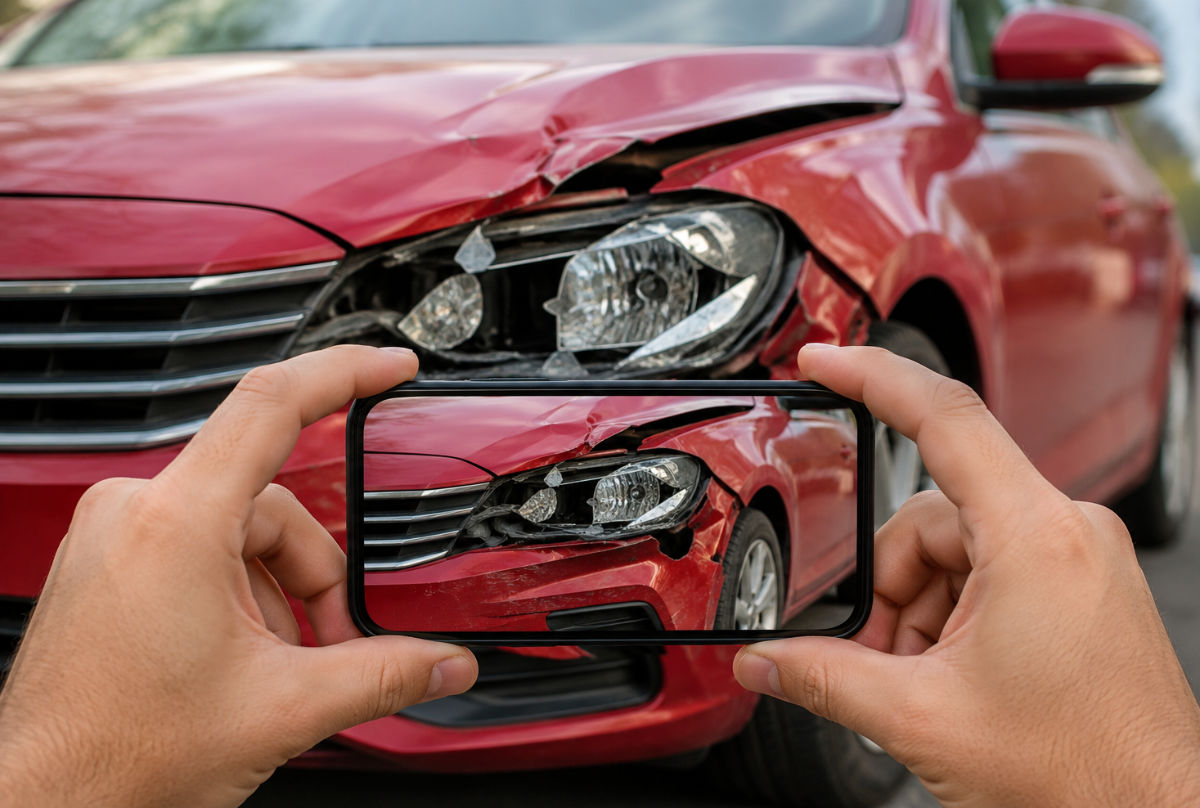
A car accident can leave you dealing with painful injuries, vehicle damage, insurance adjusters, and countless questions about what to do next. In the hours and days that follow, one of the most important tasks is preserving evidence. The information you collect immediately after a crash can significantly influence your ability to recover compensation, especially if liability is disputed. Oregon personal injury claims often depend on the strength of the available evidence, making early action an important part of protecting your legal rights.
Wondering what evidence you should preserve after a car accident in Oregon? Take advantage of a free consultation, contact Johnston Law Firm today, or call us at 503-546-3167 to speak with an experienced Oregon car accident lawyer.
Why Preserving Evidence Matters After an Oregon Car Accident
Evidence forms the foundation of every successful car accident claim. Insurance companies evaluate claims based on documentation, not assumptions, and missing evidence can make it more difficult to prove how the collision occurred or how severely you were injured. Even when fault seems obvious, disputes can arise weeks or months later.
Oregon follows a modified comparative negligence rule under ORS 31.600, meaning your compensation may be reduced if you are found partially responsible for the accident. If your percentage of fault reaches 51% or more, you generally cannot recover damages. Strong evidence can help establish an accurate picture of what happened and protect you from unfair blame.
Preserving evidence also becomes important if settlement negotiations fail and litigation becomes necessary. Compared to a straightforward insurance settlement, a lawsuit requires more detailed proof and may involve witness testimony, expert opinions, and extensive documentation.
Examples of valuable evidence include:
- Photographs: Images of vehicle damage, skid marks, road conditions, and injuries.
- Medical records: Documentation connecting your injuries to the crash.
- Witness information: Names and contact details of individuals who saw the collision.
- Police reports: Official observations recorded by responding officers.
The earlier evidence is collected, the less likely it is to disappear or become unreliable.
Evidence You Should Gather at the Accident Scene
If your injuries allow, gathering evidence before leaving the scene can make a significant difference later. Conditions change quickly after a collision. Vehicles are towed, weather alters road conditions, and witnesses leave.
Focus on documenting as much as possible without placing yourself in danger.
Important evidence to collect includes:
- Vehicle damage: Photograph all vehicles from multiple angles.
- Road conditions: Capture traffic signs, lane markings, weather conditions, and debris.
- License plates: Record every involved vehicle.
- Visible injuries: Take photographs before bruising or swelling changes.
- Witness contact information: Obtain names and phone numbers.
- Insurance information: Exchange details with all involved drivers.
For example, a photograph showing fresh skid marks may later support an accident reconstruction expert’s conclusion regarding speed or braking. Likewise, weather conditions documented immediately after the collision may explain reduced visibility that no longer exists days later.
Avoid altering the accident scene unless necessary for safety or required by law enforcement.
Preserve Medical Evidence From the Very Beginning
Medical documentation often becomes the most important evidence in a personal injury claim. Even injuries that appear minor can worsen over time, making prompt medical evaluation essential.
Under Oregon law, accident victims generally have two years to file most personal injury lawsuits pursuant to ORS 12.110. However, waiting weeks before seeking medical treatment can create gaps that insurers may use to argue your injuries were unrelated to the crash.
Keep copies of:
- Emergency room records: Initial diagnoses and treatment.
- Physician notes: Ongoing evaluations and recommendations.
- Diagnostic imaging: X-rays, MRIs, and CT scans.
- Prescription records: Medications related to accident injuries.
- Physical therapy records: Rehabilitation progress.
- Medical bills: Documentation of treatment costs.
Consider maintaining a personal recovery journal as well. Daily notes describing pain levels, mobility limitations, missed work, and emotional challenges can provide valuable context that medical charts sometimes do not fully capture.
Medical evidence continues developing throughout your recovery, so preserving each stage of treatment strengthens your overall claim.
Do Not Overlook Digital Evidence
Modern vehicles, smartphones, and businesses generate digital information that can become critical evidence after a collision.
Many drivers focus only on photographs while overlooking electronic records that may prove equally valuable.
Potential digital evidence includes:
- Dash camera footage: Video showing how the collision occurred.
- Cell phone photographs and videos: Original files often contain timestamps and location data.
- GPS records: Travel routes and speeds.
- Vehicle event data recorders: Information about braking, steering, and speed.
- Traffic camera footage: Video maintained by government agencies or nearby businesses.
- Surveillance footage: Security cameras from homes or commercial properties.
Digital evidence can disappear quickly. Some surveillance systems automatically overwrite recordings within days, while businesses may not retain footage unless someone requests preservation.
If litigation becomes likely, attorneys may send preservation letters requesting that important electronic evidence not be destroyed. Acting promptly often makes the difference between obtaining valuable proof and losing it permanently.
How Oregon Law Affects Your Evidence and Claim
Preserving evidence involves more than collecting photographs. Oregon law also imposes legal requirements that may affect your claim.
For example, ORS 811.700 requires drivers involved in certain accidents to perform specific duties, including remaining at the scene and exchanging information. Failing to comply may create additional legal complications.
If your accident involves a government vehicle or public agency, the Oregon Tort Claims Act (ORS 30.275) establishes shorter notice deadlines than those applicable to most private-party claims. Missing these deadlines may prevent recovery regardless of how strong your evidence may be.
It also helps to understand the difference between settlement negotiations and trial:
- Settlement: Often resolves claims faster with less formal evidence presentation.
- Trial: Requires more comprehensive documentation, expert testimony, and witness preparation.
Strong evidence benefits both paths. It encourages insurers to negotiate fairly while also preparing your case should courtroom litigation become necessary.
Our attorneys evaluate every case with both possibilities in mind.
Common Evidence Mistakes That Can Hurt Your Case
Many accident victims unintentionally weaken otherwise strong claims by making avoidable mistakes shortly after a collision.
Some of the most common include:
- Delaying medical treatment: Creates questions about injury causation.
- Repairing the vehicle too quickly: Eliminates important physical evidence.
- Deleting photographs or messages: Removes potentially valuable documentation.
- Posting on social media: Statements or photographs may be used against you.
- Ignoring follow-up medical appointments: Creates gaps in treatment history.
- Discarding damaged personal property: Helmets, child seats, clothing, and other items may help demonstrate crash severity.
For example, a damaged bicycle helmet may become persuasive evidence in a bicycle accident claim. Likewise, preserving torn clothing or broken eyeglasses can help illustrate the force of the impact.
Small decisions made during the first few days after an accident often influence negotiations months later. Taking a careful approach helps preserve the strongest possible claim.
Contact a Car Accident Attorney at Johnston Law Firm Today
The steps you take immediately after a car accident can affect your ability to recover compensation long into the future. If you are unsure what evidence should be preserved, how Oregon law applies to your case, or whether important information has already been lost, experienced legal guidance can help you move forward with confidence.
Marc A. Johnston has handled hundreds of personal injury and wrongful death cases and understands how insurance companies evaluate accident evidence. At Johnston Law Firm, we thoroughly investigate every case, preserve critical documentation, and build compelling claims designed to withstand both settlement negotiations and trial when necessary. We handle car accident cases on contingency, meaning you don’t have to pay us anything unless we secure compensation for you.
Contact a car accident lawyer at Johnston Law Firm today for a free consultation. Justice Matters. We’re Here to Get It for You!
Contact Us for a FREE Consultation
Practice Areas
Testimonials
Sally Martinez
– Michelle E.
Mr. Johnston and his firm were incredibly thorough in getting us a fair settlement from our insurance company with little to no pressure. We really appreciated having someone who truly cared about us every step of the way. I would highly recommend the Johnston Law Firm to anyone in need of personal injury representation.