
Proving distracted driving once depended heavily on witness statements and circumstantial clues. Today, technology plays a far larger role, especially when cell phone data is available and properly analyzed. At the Johnston Personal Injury Law Firm, attorney Marc A. Johnston brings substantial experience to these cases. His background in handling complex auto accident claims, including those involving electronic evidence, allows clients to pursue the truth with confidence and preparation.
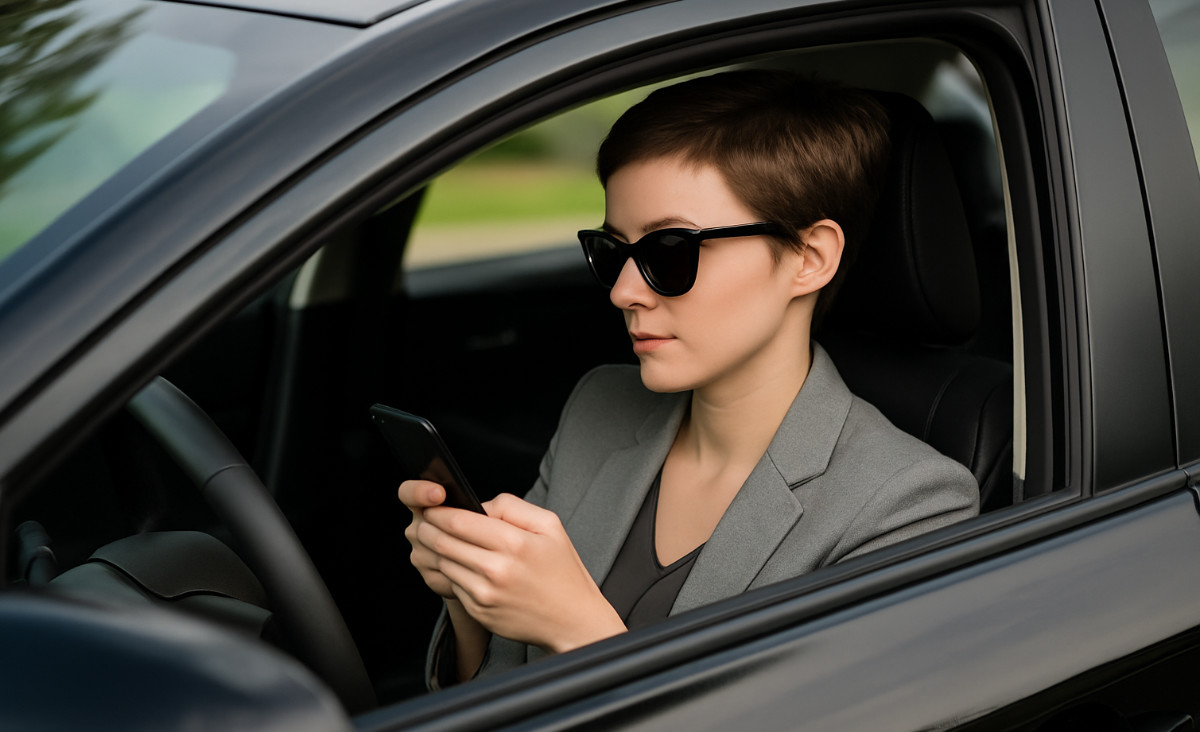
Distracted driving cases often turn on the smallest details. A few seconds of inattention can cause impacts that reshape a person’s health, income, and long-term stability. With the right legal strategy, cell phone records can provide clear insight into what the other driver was doing just before the collision and help establish accountability.
Why Cell Phone Use Plays Such a Critical Role in Accident Investigations
Cell phone use contributes to thousands of preventable crashes each year. The problem is not limited to texting and driving. Drivers stream music, scroll through social media, read emails, follow navigation apps, and respond to notifications without fully appreciating the danger. In serious collisions, determining whether the driver was distracted can influence liability, damages, and the overall outcome of the case.
When investigating distracted driving, attorneys examine a combination of evidence. Cell phone activity is one part of a larger picture, but it is often the most precise. That is because modern smartphones record detailed logs that pinpoint the timing of actions. Calls, texts, app usage, and even screen unlocks can reveal moments of distraction. These patterns often tell a story that contradicts what the at-fault driver claims.
Common forms of phone-related distraction include:
- Reading or replying to text messages
- Using navigation apps or adjusting music playlists
- Taking photos or interacting with social platforms
- Engaging in hands-on calls or video chats
Even seemingly quick actions take a driver’s eyes off the road long enough to cause serious harm. As a result, cell phone data has become a reliable tool for understanding the timeline of a collision.
Types of Cell Phone Data That Can Support a Distracted Driving Claim
Cell phone records contain far more information than most people realize. In the context of an accident case, specific data points can help establish a pattern of behavior or demonstrate negligence at the exact moment of impact. Attorneys often work with forensic experts to extract and interpret this information accurately.
Different categories of data may be relevant depending on the circumstances. Some examples include:
- Call logs: Show whether the driver was on a phone call at the time of the crash.
- Text message history: Indicates whether the driver was actively messaging or reading texts.
- App activity: Reveals if the driver was using navigation, social media, or streaming apps.
- Screen interaction records: Demonstrate when the phone was unlocked or touched.
Additionally, certain phones store accelerometer data. This can provide insight into a driver’s movement patterns and whether the phone was being held, dropped, or interacted with when the crash occurred. Combined with physical evidence, these digital records offer compelling support for distracted driving claims.
How Attorneys Access Phone Records Legally and Ethically
Cell phone data is not automatically accessible. Privacy laws protect people from having their personal information released without proper legal procedures. To obtain these records, attorneys must follow a structured process that ensures fairness and compliance with the law. This helps maintain the integrity of the evidence and prevents disputes about admissibility later in the case.
There are several ways an attorney may obtain cell phone data, depending on the cooperation of the at-fault driver and their insurer:
- Requesting voluntary disclosure from the opposing party
- Issuing a subpoena to the cell phone carrier
- Obtaining a court order with supporting evidence of suspected distraction
- Using digital forensics to analyze the physical phone when permitted
Carriers typically store logs for limited periods, so acting quickly is important. Once obtained, the data must be reviewed carefully and combined with other evidence such as crash reconstruction reports, police documentation, and witness testimony. This ensures the full context is understood rather than relying on ambiguous timestamps alone.
How Cell Phone Data Strengthens Liability in an Accident Case
Proving liability is one of the most important steps in a personal injury lawsuit. When distracted driving is suspected, cell phone data often becomes the bridge between speculation and measurable proof. A precise timeline can link the driver’s actions directly to the crash, reducing opportunities for insurers to argue that distraction was irrelevant or unrelated.
Cell phone evidence strengthens liability in several ways:
- It shows when the driver’s attention shifted away from the road.
- It establishes a pattern of distraction before the collision.
- It supports expert testimony from accident reconstruction specialists.
- It helps challenge inaccurate or incomplete statements given by the driver.
Insurers frequently attempt to minimize or deny fault. When confronted with verifiable data, their arguments become harder to defend. This can lead to more favorable settlement outcomes and, when necessary, stronger courtroom presentations. Cell phone evidence also underscores broader issues such as negligent driving habits, inadequate company safety policies for commercial drivers, or repeated violations that may influence punitive damages.
Challenges and Limitations of Using Cell Phone Data
While cell phone data is valuable, it is not always straightforward. Attorneys must navigate both technical and legal hurdles to ensure the evidence is accurate and admissible. Data may be incomplete, misinterpreted, or subject to disputes about relevance. Understanding these limitations helps shape a more reliable and persuasive case.
Common challenges include:
- Context: A timestamp may not prove the driver actually looked at the phone.
- Data gaps: Carriers may delete records after short retention periods.
- Shared devices: Multiple users can complicate attribution of actions.
- App behaviors: Background processes may create misleading activity logs.
These obstacles do not mean the data is unusable. Rather, they highlight the value of combining phone records with supplemental evidence such as skid mark analysis, vehicle damage, surveillance footage, or testimony from neutral witnesses. A skilled attorney knows how to weave these pieces together to create a cohesive narrative that withstands scrutiny.
Why Early Legal Representation Matters When Cell Phone Distraction Is Suspected
Evidence related to distracted driving can disappear quickly. Carriers purge logs, phones are reset or replaced, and witnesses forget details. Early involvement of an experienced attorney allows the investigative process to begin before these opportunities are lost. Rapid action ensures the right preservation requests are issued and prevents the at-fault party from destroying or altering relevant data.
Early legal representation helps with:
- Securing phone records before deletion
- Sending evidence preservation letters
- Coordinating expert involvement for digital analysis
- Preparing clients for insurer contact
- Structuring a clear theory of liability at the start
At the Johnston Personal Injury Law Firm, this approach is standard practice. By preparing cases thoroughly from day one, we are able to address potential defenses early and avoid costly delays. This often leads to stronger outcomes for injured clients who need compensation to move forward.
Speak With a Car Accident Attorney at Johnston Personal Injury Law Firm Today
Distracted driving remains one of the most preventable causes of serious injuries on Oregon roads. If you believe cell phone use contributed to your crash, speaking with a car crash attorney can provide clarity and direction. Our team is ready to investigate your case, protect your rights, and pursue the compensation you need to recover.
Marc A. Johnston and his team bring a distinctive blend of preparation, advocacy, and technical insight to auto accident cases involving cellphone evidence. Contact the Johnston Personal Injury Law Firm today for a free consultation and learn how we can support you as you move forward.
Contact Us for a FREE Consultation
Practice Areas
Testimonials
Sally Martinez
– Michelle E.
Mr. Johnston and his firm were incredibly thorough in getting us a fair settlement from our insurance company with little to no pressure. We really appreciated having someone who truly cared about us every step of the way. I would highly recommend the Johnston Law Firm to anyone in need of personal injury representation.