
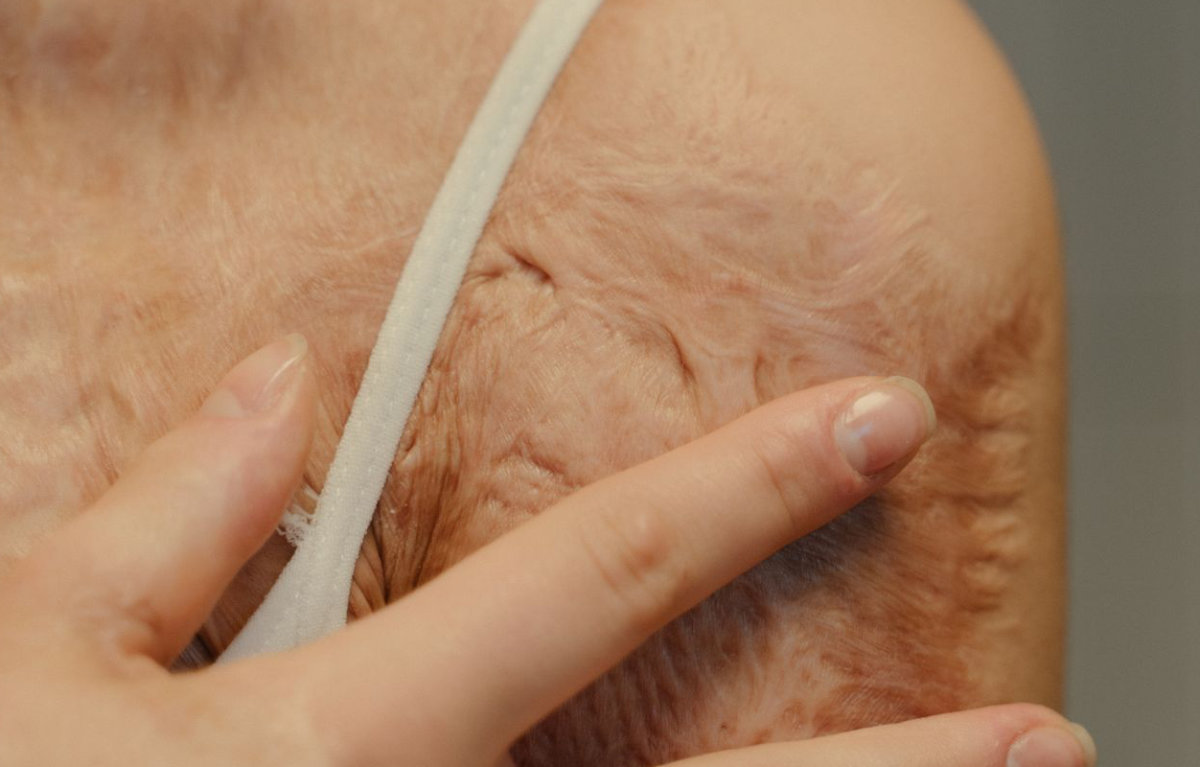
A serious burn can affect far more than the skin. Deep burns may damage nerves, muscles, tendons, and other tissue; they can require skin grafts, reconstructive procedures, rehabilitation, and years of follow-up care. When those effects permanently interfere with a person’s ability to work, move independently, or carry out everyday activities, a burn injury may be treated as a catastrophic injury for purposes of an Oregon personal injury claim.
At Johnston Law Firm, we represent people in Portland and throughout Oregon whose lives have been changed by serious injuries caused by negligence. Below, we explain what can make a burn catastrophic and why that distinction matters when pursuing compensation.
If you suffered severe burns in a vehicle crash, workplace incident, defective-product accident, or another preventable event, get in touch with a burn injury lawyer at 503-546-3167 or contact us online for a free consultation.
What Makes a Burn Injury Catastrophic?
Oregon personal injury law does not provide one universal statutory definition that automatically classifies a particular burn as “catastrophic.” Instead, the severity of the injury and its long-term consequences become central when determining the extent of a victim’s damages.
A relatively small burn that heals completely may result in a valid injury claim without creating lifelong limitations. A catastrophic burn is different. It can permanently change a person’s health, appearance, earning ability, independence, or need for medical care.
Factors that can point toward catastrophic harm include:
- Permanent impairment: The burn causes lasting loss of mobility, sensation, strength, or bodily function.
- Extensive medical treatment: The victim requires surgeries, skin grafts, rehabilitation, or continuing specialist care.
- Severe disfigurement: Permanent scarring affects the face or other significant areas of the body.
- Loss of earning capacity: Lasting limitations prevent the victim from returning to the same occupation or earning at the previous level.
- Long-term assistance: The injured person requires ongoing help with daily activities or medical needs.
The label matters less than proving what the injury has actually taken from the victim and what it is likely to cost in the future.
Burn Severity and the Risk of Permanent Damage
Burn injuries are classified by degree, based largely on how deeply the damage extends into the skin and underlying tissues:
- First-degree burns: Affect only the outer layer of skin and typically heal without permanent damage.
- Second-degree burns: Extend into deeper skin layers and may cause blistering, severe pain, and scarring.
- Third-degree burns: Destroy the full thickness of the skin and may damage nerves and underlying tissue.
- Fourth-degree burns: Extend beyond the skin into fat, muscle, tendons, or bone and can cause permanent loss of function.
Burn degree is not the only measure of severity. The size and location of the burn also matter, particularly when injuries affect the face, hands, feet, or joints. Severe burns may result in contractures, nerve damage, repeated surgeries, permanent scarring, and lasting mobility limitations. These long-term effects can help establish when a burn injury rises to the level of a catastrophic injury.
The Physical Impact of Catastrophic Burn Injuries
Severe burns can cause damage far beyond the skin. Third-degree burns destroy the full thickness of the skin and may affect deeper tissue, while fourth-degree burns can extend into fat, muscles, tendons, nerves, and even bone. As a result, recovery may involve multiple procedures and months or years of ongoing care.
Treatment and rehabilitation for catastrophic burns may include:
- Skin grafting: Surgeons may transplant healthy skin to cover areas where tissue has been severely damaged or destroyed.
- Reconstructive surgery: Additional procedures may be necessary to improve function, mobility, or the appearance of severe scarring.
- Infection management: Extensive burns weaken the skin’s protective barrier, increasing the risk of serious infections and related complications.
- Pain management: Ongoing treatment may be needed for chronic pain, nerve damage, and sensitivity associated with serious burns.
- Physical and occupational therapy: Rehabilitation can help preserve mobility and address contractures caused by tightening scar tissue.
For some victims, these medical needs continue long after the original wounds have healed, contributing to the lasting impact that can make a burn injury catastrophic.
When Someone Else May Be Liable for Catastrophic Burns in Oregon
A catastrophic injury does not automatically establish another person’s legal responsibility. Generally, a burn victim pursuing a negligence claim must show that another party owed a duty of care, breached that duty, and caused injuries and resulting damages.
Burn injuries can arise in many settings. Johnston Law Firm handles personal injury matters involving motor vehicle accidents, workplace and industrial accidents, and other forms of negligence. Depending on how a burn occurred, potentially responsible parties could include:
- Negligent motorists: A serious collision can cause a vehicle fire, fuel ignition, or exposure to dangerously hot components.
- Commercial companies: Employers or businesses may bear responsibility when their drivers or operations contribute to an accident.
- Property owners: Unsafe electrical systems, fire hazards, or other dangerous property conditions can sometimes lead to severe burns.
- Product manufacturers or sellers: Defective batteries, electrical equipment, machinery, or other products may contribute to fires or thermal injuries.
- Other negligent parties: Contractors or other individuals and businesses may share responsibility depending on the circumstances.
Some catastrophic burn cases involve multiple parties, making a thorough investigation especially important.
How Oregon’s Comparative Negligence Law Can Affect a Burn Injury Claim
Responsibility is not always entirely on one side. Oregon follows a modified comparative negligence system under ORS 31.600. An injured person may generally recover damages when their fault is not greater than the combined fault of the parties against whom recovery is permitted. Any award is then reduced according to the injured person’s percentage of fault.
Consider a vehicle fire after a collision. Suppose another driver is found 80 percent responsible for causing the crash, while the injured driver is assigned 20 percent of the fault. If the injured driver’s proven damages total $1 million, the recovery could be reduced by 20 percent, leaving $800,000.
That difference becomes particularly significant in catastrophic burn cases because lifetime damages can be substantial.
Fault disputes are also one reason early investigation matters. Physical evidence, vehicle data, photographs, witness accounts, maintenance records, and expert analysis can help establish how an accident occurred and challenge attempts to shift an unfair percentage of responsibility onto the injured person.
What Compensation May Be Available for a Catastrophic Burn Injury?
A catastrophic burn claim should account for more than the bills that have already arrived. Severe injuries may generate expenses and losses for decades, which makes careful calculation of both present and future damages essential.
Depending on the circumstances, compensation may address:
- Medical expenses: Emergency treatment, hospitalization, surgeries, skin grafts, medication, rehabilitation, and specialist care.
- Future medical needs: Additional procedures, therapy, scar management, medical equipment, or continuing treatment.
- Lost income: Wages and other earnings lost while the victim is unable to work.
- Reduced earning capacity: Long-term income losses when permanent limitations affect the person’s career.
- Pain and suffering: Compensation for physical pain and the broader personal effects of the injury.
- Disfigurement and limitations: Permanent scarring, restricted movement, or other lasting changes can significantly affect damages.
Oregon also imposes special rules on certain categories of damages. For example, ORS 31.710 addresses noneconomic damages in civil actions and contains important exceptions and limitations. The applicable rules can depend on the type of case, so compensation should be evaluated according to the specific facts rather than a generalized settlement estimate.
How Our Attorneys Can Build a Catastrophic Burn Injury Case
Catastrophic burn claims often involve complex medical evidence, disputed liability, insurance issues, and significant future losses. Our Oregon burn injury lawyers build each case around both the cause of the injury and its long-term impact on our client.
Depending on the circumstances, our attorneys can:
- Investigate how the burn injury occurred.
- Preserve physical, electronic, and accident scene evidence.
- Collect medical records documenting injuries and treatment.
- Identify responsible parties and available insurance coverage.
- Consult medical, financial, and other qualified experts.
- Calculate current and anticipated future financial losses.
- Document permanent scarring and physical limitations.
- Present the claim effectively to insurers or juries.
Our goal is to show the full impact of catastrophic injuries from burns, including future medical care, reduced earning capacity, permanent limitations, and other lasting consequences.
Contact Johnston Law Firm for Legal Help With Your Burn Injuries
A severe burn can leave you dealing with medical procedures, permanent scarring, physical limitations, and financial uncertainty long after the accident. Marc A. Johnston has handled hundreds of personal injury and wrongful death matters and has experience with significant insurance coverage disputes. Johnston Law Firm can investigate who caused your injuries, document their long-term consequences, and pursue compensation supported by the evidence.
Reach out to Johnston Law Firm for a free consultation about your Oregon burn injury case. We handle personal injury cases on a contingency basis, which means attorney fees are tied to obtaining a recovery rather than being paid upfront.
Call 503-546-3167 or contact us online to discuss your legal options. Justice Matters. We’re Here to Get It for You.
Contact Us for a FREE Consultation
Practice Areas
Testimonials
Sally Martinez
– Michelle E.
Mr. Johnston and his firm were incredibly thorough in getting us a fair settlement from our insurance company with little to no pressure. We really appreciated having someone who truly cared about us every step of the way. I would highly recommend the Johnston Law Firm to anyone in need of personal injury representation.