
After a truck crash, many people assume the case is only against the driver. Sometimes that is true, but often the trucking company belongs in the lawsuit too. If the company hired an unsafe driver, ignored maintenance, pushed unrealistic schedules, or violated safety rules, it may be legally responsible for the harm that followed. That question matters because companies usually carry larger insurance policies, and their internal records can reveal what really caused the collision.
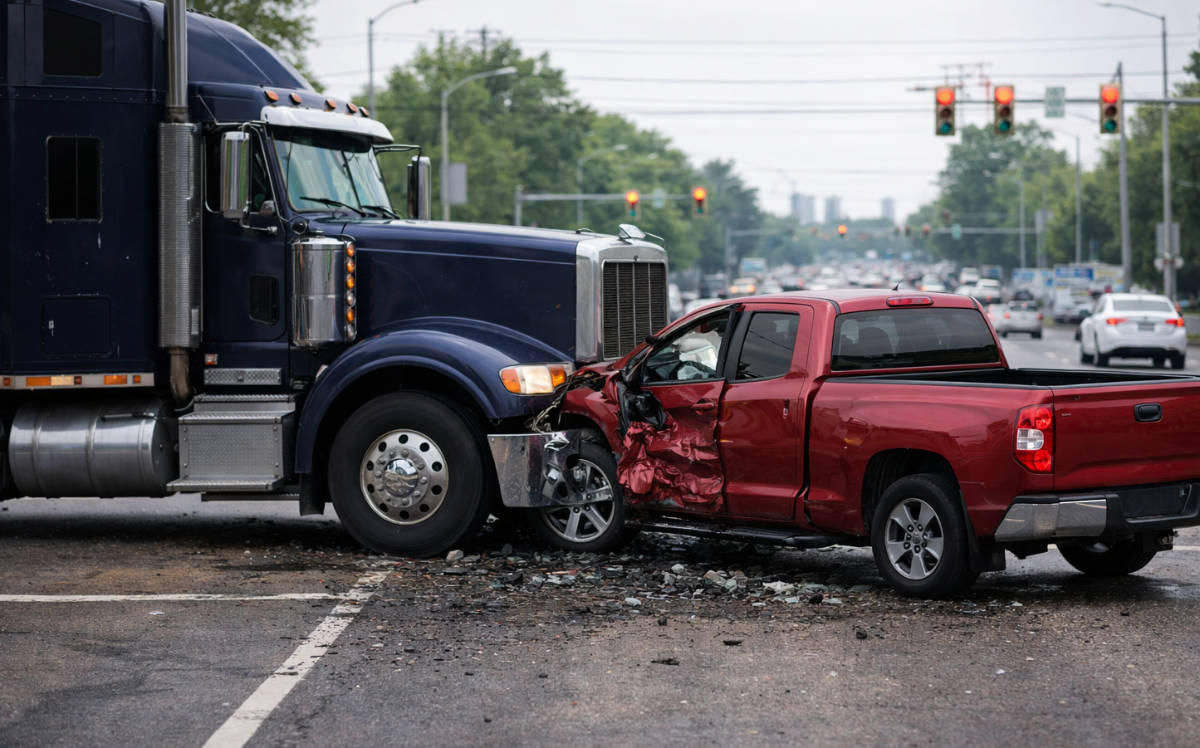
Were you hit by a commercial truck and wondering whether the company behind it can be held accountable? Call an Oregon truck accident lawyer at Johnston Law Firm today, so we can identify every liable party and move quickly before critical evidence disappears.
You Can Sue the Trucking Company When Its Conduct Helped Cause the Crash
You generally can sue the trucking company when its own negligence contributed to the accident, or when the driver was acting within the scope of employment at the time of the wreck. That can include negligent hiring, negligent retention, poor supervision, bad maintenance practices, overloaded trailers, or delivery schedules that encourage unsafe driving. In plain terms, if the company helped create the danger, it may be on the hook.
This issue comes up often in Oregon truck accident cases because commercial operations rarely function through one person alone. A dispatcher sets the route, a maintenance team handles inspections, a safety department reviews compliance, and management decides how much pressure drivers face. If one part of that chain breaks down, the problem may go beyond the person in the cab.
That distinction also affects settlement value. A claim against only an individual driver may be narrower; a claim against the company can open the door to deeper investigation, broader insurance coverage, and a more complete picture of fault. When we evaluate these cases, we are not just asking who hit you. We are asking who set the conditions for the crash.
Legal Grounds for Suing a Trucking Company
There is no single magic phrase that makes a trucking company liable. Instead, these cases usually rest on several overlapping legal theories. Some are straightforward negligence claims; others involve vicarious liability, which means the company may be responsible for what its employee did on the job.
Common grounds include:
- Negligent hiring: The company failed to screen a driver with a poor safety record, prior violations, or inadequate training.
- Negligent supervision: The employer knew, or should have known, the driver was unsafe and still kept that person on the road.
- Negligent maintenance: The truck was operated with bad brakes, worn tires, lighting defects, or other preventable equipment issues.
- Hours-of-service pressure: Dispatch practices or deadlines encouraged driver fatigue, logbook violations, or unsafe pacing.
- Cargo and loading errors: The company allowed improperly secured or overloaded cargo, increasing the risk of rollovers or loss of control.
- Vicarious liability: The driver caused the crash while working, making the employer potentially responsible for that negligence.
Oregon negligence law and comparative fault principles matter here. Under ORS 31.600, fault can be allocated among multiple parties, which is especially important in truck cases involving a driver, employer, maintenance vendor, or shipper. That same framework can affect how damages are divided if more than one party contributed to the collision.
Timing Matters; Oregon Deadlines Can Change Your Options
You may have the right to sue the trucking company, but that right does not stay open forever. In Oregon, the general statute of limitations for most personal injury claims is two years. If you wait too long, the court can dismiss the case even if the facts are strong.
Timing gets more complicated when a death occurs or a public entity is involved. Wrongful death claims in Oregon are governed by ORS 30.020, and if a government-owned truck or public body may be involved, special notice rules can apply under the Oregon Tort Claims Act. That notice requirement can arrive much sooner than many people expect, which is one reason truck crash cases should be reviewed early.
There is also a practical deadline that matters before any filing deadline appears on the calendar: evidence loss. Electronic logging data can be overwritten. Maintenance records can become harder to track down. Driver qualification files, dispatch communications, and onboard data may not stay easy to obtain unless someone acts quickly. So the real answer to “when can I sue?” is often “as soon as the facts support it, and well before the legal deadline runs out.”
What We Look For Before Naming the Trucking Company
A trucking company should not be sued just because it has money. It should be sued when the evidence supports that step. That is why a careful pre-suit investigation matters. A rushed claim can miss key defendants; a lazy one can point blame in the wrong direction.
Our investigation often focuses on:
- Driver employment status: Whether the driver was an employee, a contractor, or working under the company’s authority.
- Dispatch and route records: Whether the company set unrealistic timelines or ignored safety concerns.
- Maintenance history: Whether inspection reports, repair logs, and service intervals reveal preventable defects.
- Driver qualification file: Whether the company hired or retained someone with a dangerous background.
- Black box and electronic data: Speed, braking, hours driven, and other operating details may show what happened in the moments before impact.
- Cargo documentation: Bills of lading and loading records can point to unsafe load distribution or overweight transport.
This process sounds technical because it is technical. Still, the purpose is simple; connect the crash to the decisions that caused it. In many cases, what appears at first to be “just driver error” turns out to involve a broader company failure.
When the Trucking Company May Be More Responsible Than the Driver Alone
Sometimes the driver’s mistake is obvious. Other times, the bigger story sits behind the scenes. That is especially true when a truck was speeding on a tight schedule, operating with poor brakes, or driven by someone who should not have been hired in the first place.
Watch for signs like these:
- Repeated safety violations: A pattern may suggest a company culture problem, not a one-off mistake.
- Fatigue clues: Long miles, unrealistic delivery demands, or suspicious log entries can point to dispatch pressure.
- Mechanical failure: Brake issues, tire problems, or steering defects often raise maintenance questions.
- Conflicting statements: If the company’s explanation changes early, there may be a records problem or blame-shifting effort.
- Serious or unusual crash dynamics: Jackknife events, underride collisions, or cargo spills often involve system failures beyond ordinary driver carelessness.
Oregon traffic rules still matter in the background. The basic speed rule under ORS 811.100 requires drivers to travel at a speed reasonable for the conditions, not merely below a posted limit. When company pressure, poor oversight, or bad equipment contributes to violating that rule, the employer may become central to the case.
Damages, Delays, and Why Trucking Company Cases Often Take Longer
A lawsuit against a trucking company can involve larger stakes than a typical car accident claim. That usually means more resistance. The defense may challenge medical treatment, dispute lost income, argue comparative fault, or insist the driver acted outside company control. None of that automatically defeats a claim, but it can slow the path to resolution.
Delays often happen because:
- More evidence must be reviewed: Company records, driver files, electronic data, and expert analysis take time.
- More parties are involved: The driver, employer, insurer, maintenance contractors, and shippers may each have separate positions.
- Injuries need time to mature: It is hard to value a case fully before doctors understand long-term limitations.
- Liability is contested: The defense may argue that another driver, roadway condition, or equipment manufacturer caused the loss.
That extra work can make a significant difference in outcome. A fast claim may feel efficient, but a careful one is often stronger. Our job is to balance urgency with preparation so you are not pushed into a quick settlement that leaves future losses uncovered.
Let Johnston Law Firm Help You Sue the Right Trucking Company at the Right Time!
Knowing when you can sue the trucking company after an accident usually comes down to two questions: is there evidence the company helped cause the crash, and are you moving within Oregon’s deadlines? Johnston Law Firm helps answer both. Marc A. Johnston has built his practice around serious injury litigation, and his background gives our team a practical view of how insurers and defense counsel evaluate truck accident claims.
If you were hurt in a truck crash and you suspect the company behind the driver shares responsibility, now is the time to get answers.
Contact Johnston Law Firm or call us at 503-272-6108 for a free consultation. We can investigate the wreck, preserve critical evidence, explain whether the trucking company should be named in your claim, and help you pursue the compensation you are actually owed.
Contact Us for a FREE Consultation
Service Areas
Testimonials
Sally Martinez
– Michelle E.
Mr. Johnston and his firm were incredibly thorough in getting us a fair settlement from our insurance company with little to no pressure. We really appreciated having someone who truly cared about us every step of the way. I would highly recommend the Johnston Law Firm to anyone in need of personal injury representation.