
Car accident claims often hinge on facts that are far from simple. Police reports, medical records, and vehicle damage all matter, but witness testimony can quietly tip the scales in ways many people do not anticipate. A single statement from someone who saw part of the crash can reshape how insurance companies, adjusters, and even juries interpret what happened.
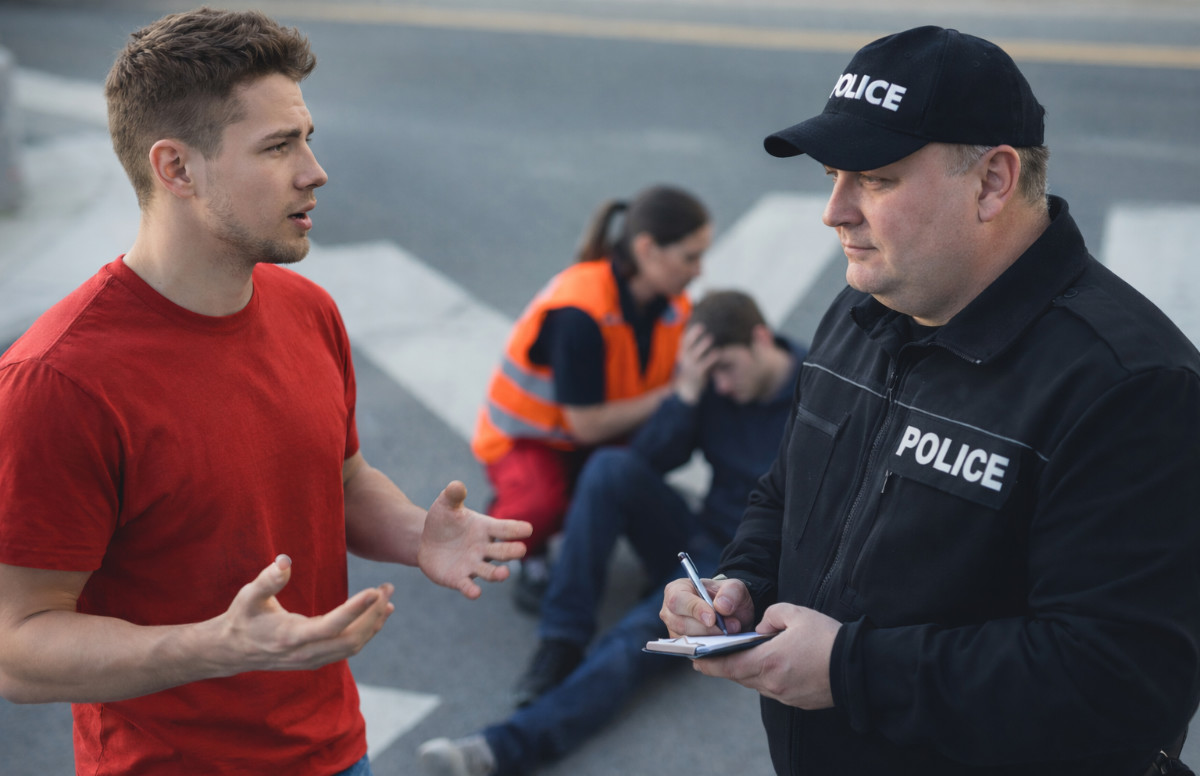
For injured drivers in Oregon, this can be frustrating and confusing. Witnesses are assumed to be neutral, yet their recollections are not always accurate or complete. When a statement is flawed, inconsistent, or taken out of context, it can undermine an otherwise valid claim. Understanding how witness testimony can negatively influence your car accident case is essential if you want to protect your rights and your recovery.
Injured in a car crash? Johnston Law Firm is ready to step in, protect your rights, and fight for the outcome you deserve. Justice isn’t automatic; it’s pursued. Call a Portland car accident attorney at our firm today to schedule your free consultation and take the first step forward.
What Is a Third-Party Witness?
A third-party witness is someone who observed your car accident but was not directly involved in it. These individuals often appear neutral on paper, which is why insurance companies place significant weight on what they say. However, neutrality does not guarantee accuracy or fairness.
Third-party witnesses can include pedestrians, nearby drivers, passengers in other vehicles, or even people who heard the crash and arrived moments later. Their accounts may be shaped by limited vantage points, distractions, or assumptions made in the seconds following impact. In Portland traffic, for example, congestion, weather, and complex intersections can make it difficult for anyone to see the full sequence of events.
Common types of third-party witnesses include:
- Bystanders at the scene: Individuals who were walking or standing nearby and saw only part of the collision
- Other motorists: Drivers who may have been focused on avoiding the crash rather than observing it clearly
- Passengers in involved vehicles: People whose loyalty or fear can color their recollection
- Post-accident observers: Individuals who arrived after the impact and inferred what happened based on vehicle positions
While third-party witnesses can help establish fault, they can also introduce doubt if their statements conflict with physical evidence or each other.
Why Witness Statements Are Important for Your Car Accident Claim
Witness statements often become a central piece of evidence early in a claim. Insurance adjusters rely on them to make quick decisions about liability, especially when drivers give conflicting accounts. In Oregon, where modified comparative negligence applies, even a small shift in perceived fault can reduce your compensation.
Under Oregon law, an injured party can recover damages only if they are less than 51 percent at fault. If a witness suggests you were partially responsible, your recovery may be reduced proportionally. That makes witness statements particularly powerful during settlement negotiations.
Witness testimony influences several stages of a claim:
- Initial liability assessments: Insurers use statements to decide who caused the crash
- Settlement valuation: Conflicting or negative testimony can lower settlement offers
- Litigation strategy: Attorneys must anticipate how witnesses may perform under oath
- Trial outcomes: Jurors often find eyewitnesses persuasive, even when they are mistaken
A statement that seems minor at first can snowball into delays, denials, or undervalued offers. This is why experienced legal review matters from the beginning.
How Witness Testimony Can Harm Your Case
Witness testimony becomes problematic when it is incomplete, biased, or simply wrong. Human memory is imperfect, especially during stressful events like car accidents. Yet insurers often treat these statements as objective truth.
One common issue is inconsistency. A witness may give one version of events to police and a different version later to an insurance adjuster. Another issue is perspective; someone who saw the crash from behind may not have seen a critical traffic signal or lane change. These gaps can be exploited.
Negative impacts often arise from:
- Misinterpretation of events: Witnesses may assume speeding or distraction without proof
- Partial observations: Seeing only the moment of impact, not what led up to it
- Unintentional bias: Favoring one driver based on appearance, demeanor, or confidence
- Influence by others: Statements shaped by conversations with drivers or police
- Poor recollection over time: Details fading or changing as weeks pass
In settlement discussions versus trial, these weaknesses play out differently. Insurers may use flawed testimony to justify low offers, while a jury may be swayed emotionally by a confident but inaccurate witness.
Witness Credibility and Factors That Affect It
Not all witness testimony carries the same weight. Credibility determines whether a statement helps or harms your case. Courts and insurers evaluate credibility using both legal standards and practical judgment.
Several factors can undermine a witness’s reliability:
- Relationship to a party: Friends, family members, or coworkers may appear biased
- Location and visibility: Poor lighting, weather, or obstructed views reduce accuracy
- Consistency of statements: Changes between interviews raise red flags
- Emotional state: Stress or shock can distort memory
- Prior statements or history: Past legal issues or contradictory remarks affect trust
In Oregon litigation, these factors become especially important during depositions and cross-examination. A witness who seems helpful at first may unravel under questioning. This is where preparation and investigation make a measurable difference.
The Legal Process When Witness Testimony Is Disputed
When witness testimony conflicts with other evidence, the legal process becomes more involved. This is not necessarily a bad thing, but it requires careful handling. The earlier inconsistencies are identified, the better positioned you are to respond.
A typical process includes:
- Initial consultation: Reviewing all available statements and reports
- Independent investigation: Gathering physical evidence, surveillance footage, dashcam footage, and expert opinions
- Pre-litigation negotiations: Addressing weaknesses before settlement talks stall
- Litigation, if necessary: Depositions, motions, and trial preparation
Oregon’s statute of limitations for most car accident injury claims is two years from the date of the crash. Delays caused by disputed testimony can push cases closer to that deadline. Acting promptly helps preserve evidence and leverage.
Why Insurance Companies Rely So Heavily on Witness Statements
Insurance companies are not neutral evaluators. Their goal is to minimize payouts while appearing reasonable. Witness statements provide a convenient tool to question liability without extensive investigation.
Adjusters may highlight a single unfavorable comment while ignoring contradictory evidence. They may also pressure witnesses for recorded statements early, before memories settle or legal counsel is involved. This tactic is particularly effective against unrepresented claimants.
Simple comparisons illustrate the risk:
- Clear liability with weak testimony: Lower settlement offers, prolonged negotiations
- Contested liability with strong testimony: Greater chance of denial or trial
- Prepared legal response: Improved leverage, even with mixed witness accounts
Understanding this dynamic helps explain why legal guidance is not just helpful but often necessary.
How Johnston Law Firm Can Help
Johnston Law Firm approaches witness testimony with a strategic and practical mindset. With deep Oregon roots and extensive litigation experience, the firm knows how insurers evaluate statements and how juries react to them. This insight allows the legal team to anticipate problems before they derail a case.
The firm’s approach includes:
- Early evidence review: Identifying harmful testimony quickly
- Credibility analysis: Assessing witness reliability and motivations
- Supplemental investigation: Using experts, records, and scene analysis to counter inaccuracies
- Clear storytelling: Presenting your version of events in a way insurers and juries understand
Led by Marc A. Johnston, the firm is consistently more prepared than its opponents. That preparation often makes the difference between a stalled claim and a meaningful recovery.
Protect Your Case From Harmful Witness Testimony With Johnston Law Firm
Witness testimony should not define your future after a car accident, yet it often does when left unchallenged. If you are facing conflicting statements or concerns about how a witness has portrayed the crash, experienced legal guidance can restore balance. Johnston Law Firm understands how these narratives form and how to correct them before they cause lasting damage.
Marc A. Johnston and his team focus on making insurance companies and juries understand your full story, not just a fragment told by someone else.
If you were injured in a car accident anywhere in Oregon, Johnston Law Firm is ready to step in, protect your interests, and pursue the outcome you deserve. Justice matters, and they are here to get it for you. Call us today at 503-342-7760 for a free consultation.
Contact Us for a FREE Consultation
Practice Areas
Testimonials
Sally Martinez
– Michelle E.
Mr. Johnston and his firm were incredibly thorough in getting us a fair settlement from our insurance company with little to no pressure. We really appreciated having someone who truly cared about us every step of the way. I would highly recommend the Johnston Law Firm to anyone in need of personal injury representation.